Sheet-pan chicken is a foundational technique for efficient cooking, and this Korean inspired recipe transforms easy baked chicken thighs into a high protein dinner that balances fermented heat with natural sweetness. The gochujang honey glaze works because the paste’s complex umami and the honey’s fructose content undergo controlled caramelization at high heat, creating a lacquered finish without overwhelming the meat. Bone-in, skin-on thighs are specifically chosen for their higher fat content and connective tissue, which break down beautifully during roasting to stay moist. Designed for a healthy weeknight dinner or structured meal prep bowls, this method relies on precise moisture control, staggered glazing, and accurate temperature monitoring. It is accessible for beginners but applies professional standards for consistent, restaurant-quality results.
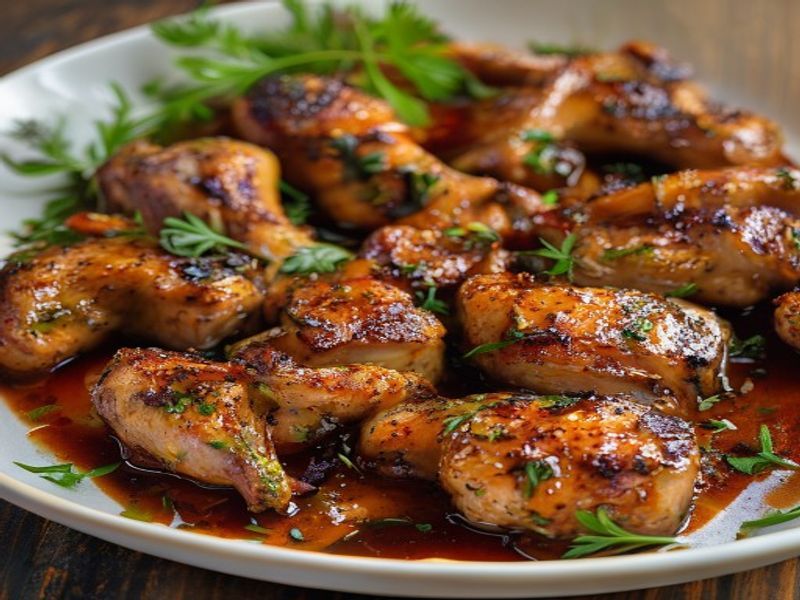
What You’ll Need
Ingredients
- Chicken thighs: 2 pounds (900 grams) bone-in, skin-on, approximately 4-6 pieces
- Gochujang (Korean chili paste): 3 tablespoons (45 grams) – use traditional fermented paste, not a pre-mixed sauce
- Raw honey: 2 tablespoons (42 grams)
- Low-sodium soy sauce (or tamari for gluten free meal prep): 1.5 tablespoons (22 ml)
- Rice vinegar: 1 tablespoon (15 ml)
- Fresh garlic: 3 cloves (12 grams), finely grated
- Fresh ginger: 1 teaspoon (5 grams), finely grated
- Toasted sesame oil: 1 teaspoon (5 ml)
- Neutral oil (avocado or canola): 1 tablespoon (15 ml) for pan coating
- Kosher salt: 1 teaspoon (6 grams)
- Freshly cracked black pepper: ½ teaspoon (1.5 grams)
Ingredient note: Gochujang thickness and heat vary by manufacturer. Standard Korean brands provide a reliable baseline. Using tamari ensures the recipe remains completely gluten free.
Equipment
- 18×13-inch heavy-gauge aluminum rimmed baking sheet
- Wire cooling rack (optional but highly recommended)
- Silicone basting brush
- Instant-read digital thermometer ([Check Price on Amazon])
- Small mixing bowl and whisk
Prep Work
Proper preparation dictates whether your skin crisps or steams. Remove the chicken from refrigeration 20 minutes before cooking to take the chill off. Cold meat entering a hot oven causes uneven thermal transfer and extends roasting time unnecessarily. Place each thigh on a clean cutting board and thoroughly pat the skin and meat dry with paper towels until zero moisture transfers to the towel. Surface water vaporizes into steam, which physically blocks the Maillard reaction. Using a sharp paring knife, score the skin in a tight crosshatch pattern, cutting ¼-inch deep without piercing the underlying muscle. These channels accelerate fat rendering and create pathways for the glaze to penetrate.
While the chicken rests, combine the gochujang, honey, soy sauce, rice vinegar, grated garlic, grated ginger, and sesame oil in a small bowl. Whisk vigorously for 15 seconds until the mixture forms a uniform, glossy emulsion. Leave the glaze at room temperature. Preheat your oven to 400°F / 205°C with the rack centered. Lightly coat your sheet pan with the neutral oil or line with parchment paper. You can score the chicken and whisk the glaze up to 24 hours ahead; store covered in the refrigerator and bring to room temperature for 20 minutes before roasting.
Cooking Instructions
- Season and arrange: Sprinkle the thighs evenly with 1 teaspoon kosher salt and ½ teaspoon black pepper on both sides. Place them skin-side up on the prepared sheet pan, maintaining at least 1 inch of space between pieces. Overcrowding traps ambient moisture and forces the chicken to steam rather than roast. Position thicker portions toward the pan center for uniform heat exposure.
- Initial roast (20 minutes): Slide the pan into the preheated 400°F / 205°C oven. Roast undisturbed for exactly 20 minutes. During this phase, subcutaneous fat renders out, and the skin surface tightens, turning from pinkish-white to a pale, translucent gold. Avoid opening the oven door; temperature drops interrupt the initial browning process.
- Apply first glaze layer: Carefully remove the pan. The skin should be partially rendered and lightly golden. Using your silicone brush, apply half of the gochujang honey glaze evenly across the top and sides of each thigh. Work efficiently to preserve oven heat.
- Return and roast (10-12 minutes): Return the pan to the oven for 10 to 12 minutes. At the 5-minute mark, brush the remaining glaze over the thighs. The sugars will immediately begin to bubble and darken. Monitor closely: honey and fermented paste scorch rapidly above 300°F / 149°C, but the rendered chicken fat and oven air circulation create a protective buffer during this final stage.
- Check temperature and finish: At the 30-minute mark, insert an instant-read thermometer into the thickest part of a thigh, avoiding the bone. The target internal temperature for dark meat is 175°F / 79°C. While 165°F / 74°C is the USDA safety threshold, thighs require slightly higher heat to fully dissolve collagen and achieve fork-tender texture. If below target, continue roasting for 2-3 minute increments.
- Rest and serve: Transfer the sheet pan to a wire rack. Let the chicken rest for exactly 5 minutes before cutting. Resting allows muscle fibers to relax and reabsorb expelled juices. Slicing immediately will cause rapid moisture loss.
Common mistake to avoid: Applying the spicy sweet chicken glaze at the start of the roast. The high sugar and starch content will carbonize into a bitter, acrid crust long before the meat reaches a safe temperature. Staggered glazing guarantees a glossy, deeply flavored exterior without burning.
Pro Tips
- Maximize skin crispness: I find that elevating the chicken on a wire rack set inside the sheet pan dramatically improves texture. It allows hot air to circulate completely around the meat and prevents the thighs from stewing in their own rendered fat. If you omit the rack, carefully tilt the pan and blot the pooled fat at the halfway mark.
- Glaze consistency adjustment: In my experience, gochujang viscosity fluctuates by season and fermentation time. If your paste is unusually dense, whisk in 1 teaspoon of warm water or rice vinegar before combining with the honey to ensure a smooth, brushable emulsion.
- Make ahead meals optimization: This recipe scales perfectly for weekly planning. Cool completely within 2 hours, portion into airtight containers, and refrigerate for up to 4 days. The glaze will firm up when chilled; reheat in a 350°F / 175°C oven for 12 minutes or microwave in 30-second bursts with a damp paper towel draped over top to preserve moisture.
Serving Suggestions
This dish pairs best with absorbent, neutral bases that balance the rich, umami-heavy glaze. Serve each portion over ¾ cup of cooked short-grain rice, quinoa, or steamed cauliflower rice. Add quick-pickled cucumbers (thinly sliced, tossed with 1 tablespoon rice vinegar, ½ teaspoon sugar, and a pinch of salt) to provide acidic contrast that cuts through the fat. For a complete sheet-pan setup, toss 1.5 pounds of halved Brussels sprouts or broccoli florets in 1 tablespoon neutral oil and roast them on a separate rack during the initial 20 minutes, then remove while the chicken finishes. Each serving delivers approximately 35 grams of complete protein, making it a highly efficient, nutrient-dense option for active lifestyles.
FAQ
Can I use frozen chicken thighs?
No. Roasting frozen thighs directly guarantees uneven doneness and permanently soggy skin. Thaw completely in the refrigerator for 24 hours, then pat dry thoroughly. If pressed for time, use the cold-water thawing method (sealed bag submerged in cold water, changed every 30 minutes) and allow 30 minutes of uncovered air-drying time before seasoning to restore surface dryness.
How do I know when it’s done?
Visual cues alone are unreliable with dark meat. The skin should be deeply browned, lightly blistered, and glossy. The only accurate verification is temperature: insert an instant-read thermometer into the thickest muscle section, avoiding the bone. It must register 175°F / 79°C. At this temperature, the meat will pull cleanly away from the bone with minimal resistance and remain juicy.
Can I prep this ahead and bake later?
Yes, but store components separately. You can season the chicken and prepare the glaze up to 24 hours in advance. Keep them in airtight containers in the refrigerator. Never apply the glaze before baking if prepping early; the salt in the soy sauce and gochujang will osmotically draw moisture from the skin, preventing proper crisping. Apply the glaze only during the final 10-12 minutes of roasting.
*As an Amazon Associate I earn from qualifying purchases.
发表回复